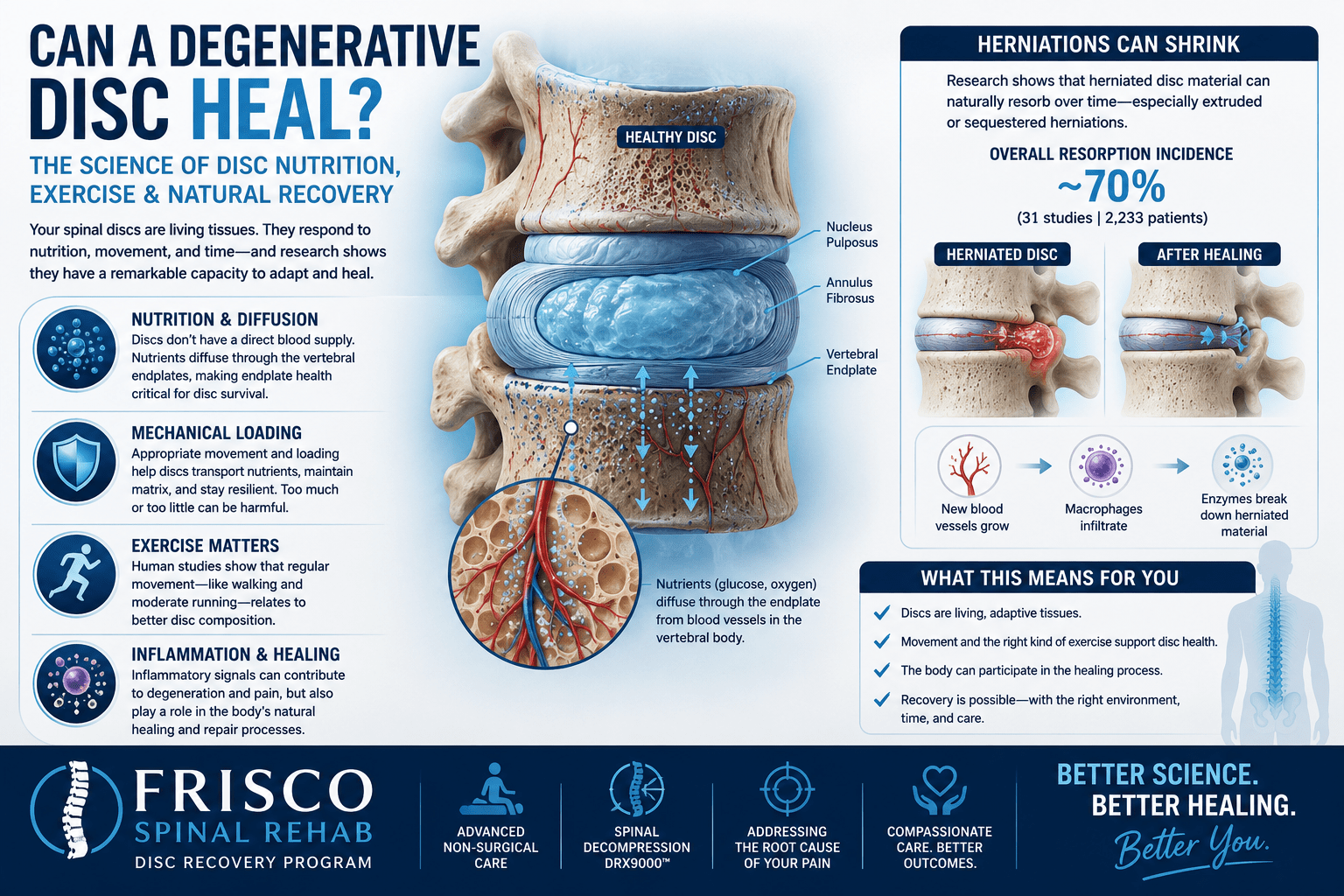
Can a Degenerative Disc Heal? What the Science Says About Disc Nutrition, Exercise and Repair
If you have been told that you have a degenerative disc, bulging disc or herniated disc, it is easy to imagine the disc as a worn-out cushion that can only continue to deteriorate. The biology is considerably more interesting than that. Intervertebral discs are living tissues. They contain cells, consume…
MLS® Laser Therapy vs. Red Light Therapy: What’s the Difference? Whole-Body vs. Targeted Photobiomodulation
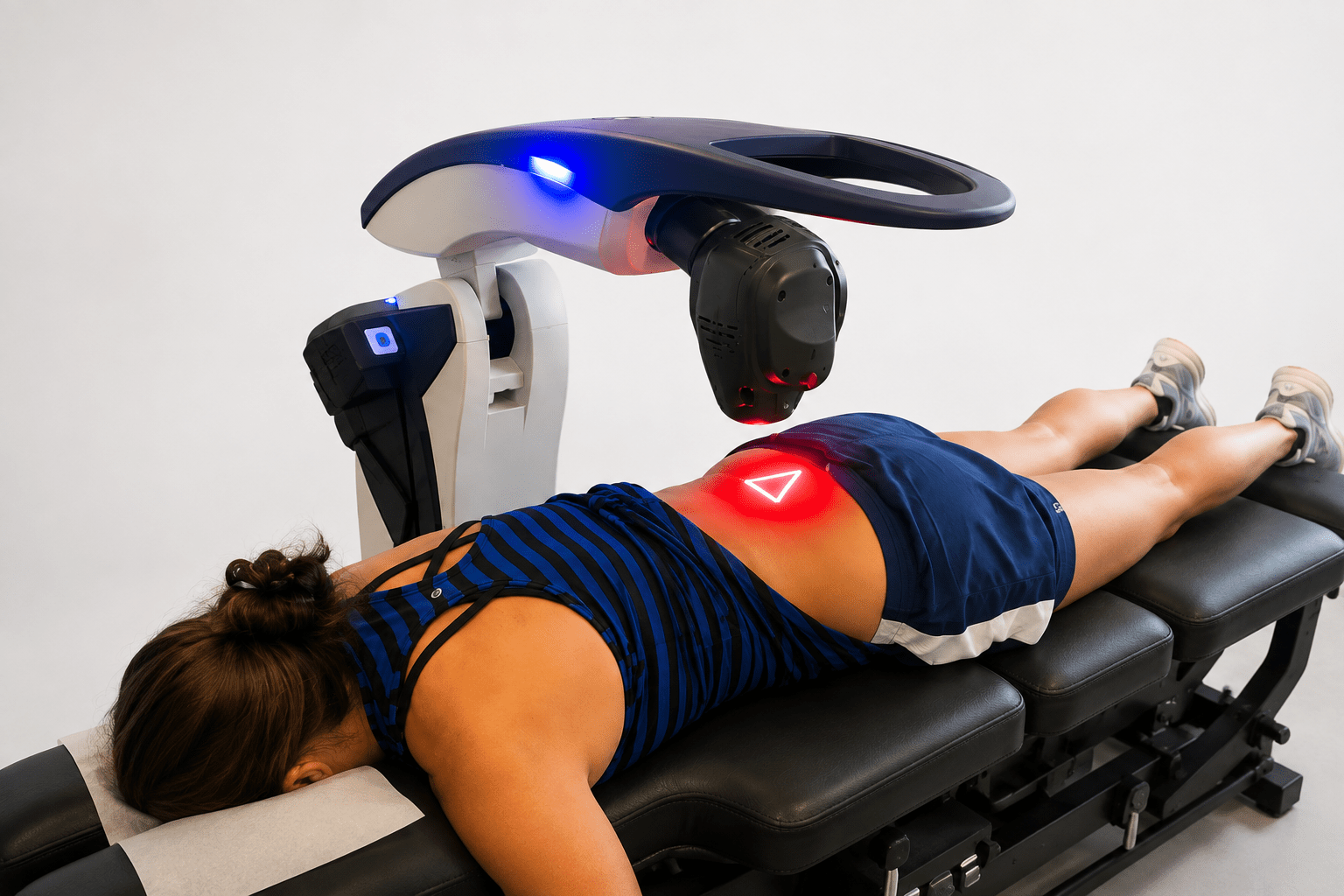
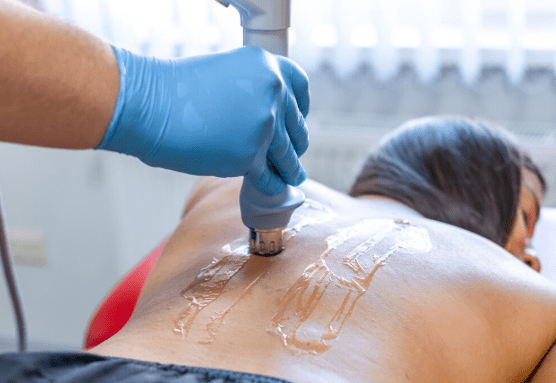
At Frisco Spinal Rehab, we use two very different forms of photobiomodulation. One is the ARRC ATP whole-body light bed. The other is the MLS M6 robotic laser. At first glance, these technologies may seem to be doing essentially the same thing. Both expose the body to therapeutic wavelengths of…
What Are the Best Exercises to Help Lumbar Spinal Discs Recover? What the Research Shows
If you have a bulging, herniated or degenerative disc in your lower back, you’ve probably been told to exercise. But that raises a much more interesting question: Are there certain exercises that are actually better for the spinal discs themselves? For years, exercise for back pain was primarily discussed in…
Can Laser Therapy Actually Help a Damaged Spinal Disc? What the Research Shows
For decades, degenerative spinal discs have largely been viewed as structures that simply wear out over time. The disc loses water. The space between the vertebrae narrows. The outer fibers weaken. A disc may bulge or herniate. Inflammation can develop, and nearby spinal nerves may become irritated or compressed. Once…
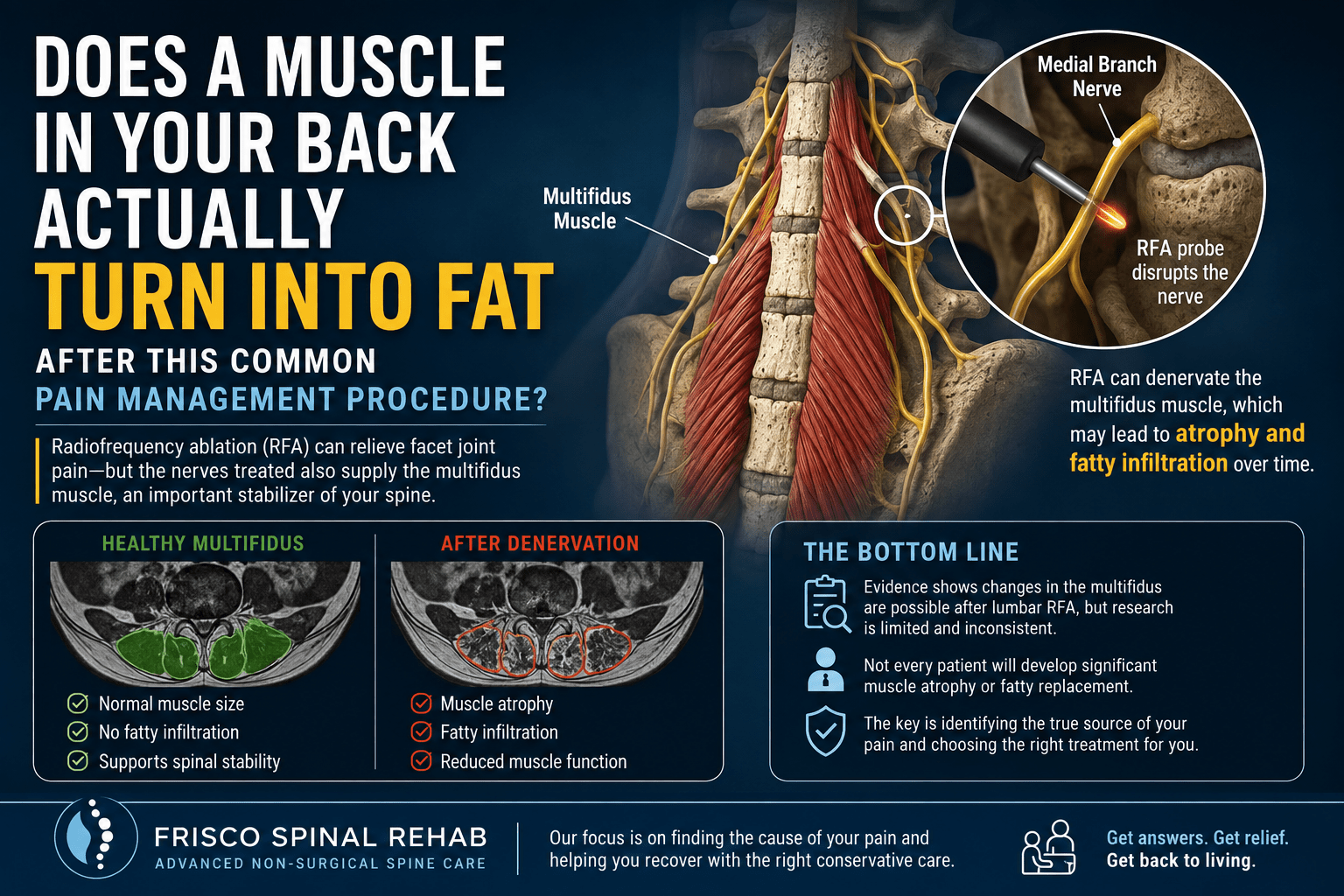
Does a Muscle in Your Back Actually Turn Into Fat After This Common Pain Management Procedure?
Radiofrequency ablation—also called RFA, radiofrequency neurotomy, or sometimes a rhizotomy—is a common procedure used to treat chronic low back pain believed to originate from the facet joints. The idea is fairly straightforward: if a small nerve is carrying pain signals from an irritated facet joint, radiofrequency energy can be used…
How Our Disc Recovery Protocol Combines DRX9000, MLS Laser, and Hands-On Care for Lasting Back Pain Relief
DRX9000 decompression in Frisco
Back pain rarely has a single cause—and it rarely improves with a single treatment. A damaged spinal disc may be creating pressure on a nerve. Tight muscles can change the way your spine moves. Inflammation may increase pain, while poor posture and years of repetitive stress continue to aggravate the…
Why Does My Back Pain Keep Coming Back? The Hidden Problem Many Treatments Don’t Address
Back pain has a frustrating way of disappearing—only to return weeks or months later. You rest for a few days, take medication, maybe get a massage or even an injection, and things start to feel better. Then you lift something, spend too long sitting at work, or simply wake up…
Why Is My Back Pain Shooting Down My Leg? 7 Common Causes and When to Seek Treatment
Pain that starts in your lower back and travels into your buttock, thigh, calf, or foot is different from ordinary back pain. Instead of staying in one place, it follows the path of a nerve, which often means something deeper than a muscle strain is involved. Many people immediately assume…
The Complete Guide to Non-Surgical Disc Recovery: Can a Herniated or Bulging Disc Heal Without Surgery?
Understanding Your Options Before Considering Spine Surgery Back pain can be frightening—especially when it travels into your leg, causes numbness, or makes you wonder if surgery is your only option. Every day, people search questions like: Can a herniated disc heal naturally? Why is my pain shooting down my leg? …
Can a Cervical Disc Heal Without Surgery? How Our Disc Recovery Protocol Supports Natural Neck Pain Recovery
DRX9000 Spinal Decompression
Neck pain can affect nearly every part of your day. Turning your head while driving, working at a computer, sleeping comfortably, or simply looking down at your phone can become painful when a cervical disc or irritated nerve is involved. For many people, the biggest question isn’t just how to…