If you’re dealing with burning, shooting pain down your leg, numbness, or tingling…
You’re likely dealing with sciatica — and it’s rarely just a “nerve problem.”
👉 In most cases, sciatica is caused by pressure on the nerve from a disc in the spine.
That’s why many treatments only provide temporary relief.
At Frisco Spinal Rehab, we focus on identifying and reducing that pressure — using targeted spinal decompression when appropriate — to relieve nerve irritation at its source.
Sciatica can make it difficult to sit, drive, sleep, or even walk comfortably.
For some, it’s a constant ache. For others, it’s sharp, electric pain that comes and goes.
👉 In most cases, this is not a muscle issue — it’s disc-related nerve compression.
We specialize in identifying the true cause of sciatic nerve pain and creating targeted, non-surgical treatment plans designed to reduce pressure and restore function.
If you’re searching for sciatica treatment in Frisco, Plano, Prosper, McKinney, or nearby areas…
👉 You’re likely dealing with more than just inflammation — and there may be a better approach.
We specialize in non-surgical treatment of disc-related nerve pain using advanced spinal decompression.
⭐ Over 400 5-star reviews | 25+ years serving Frisco
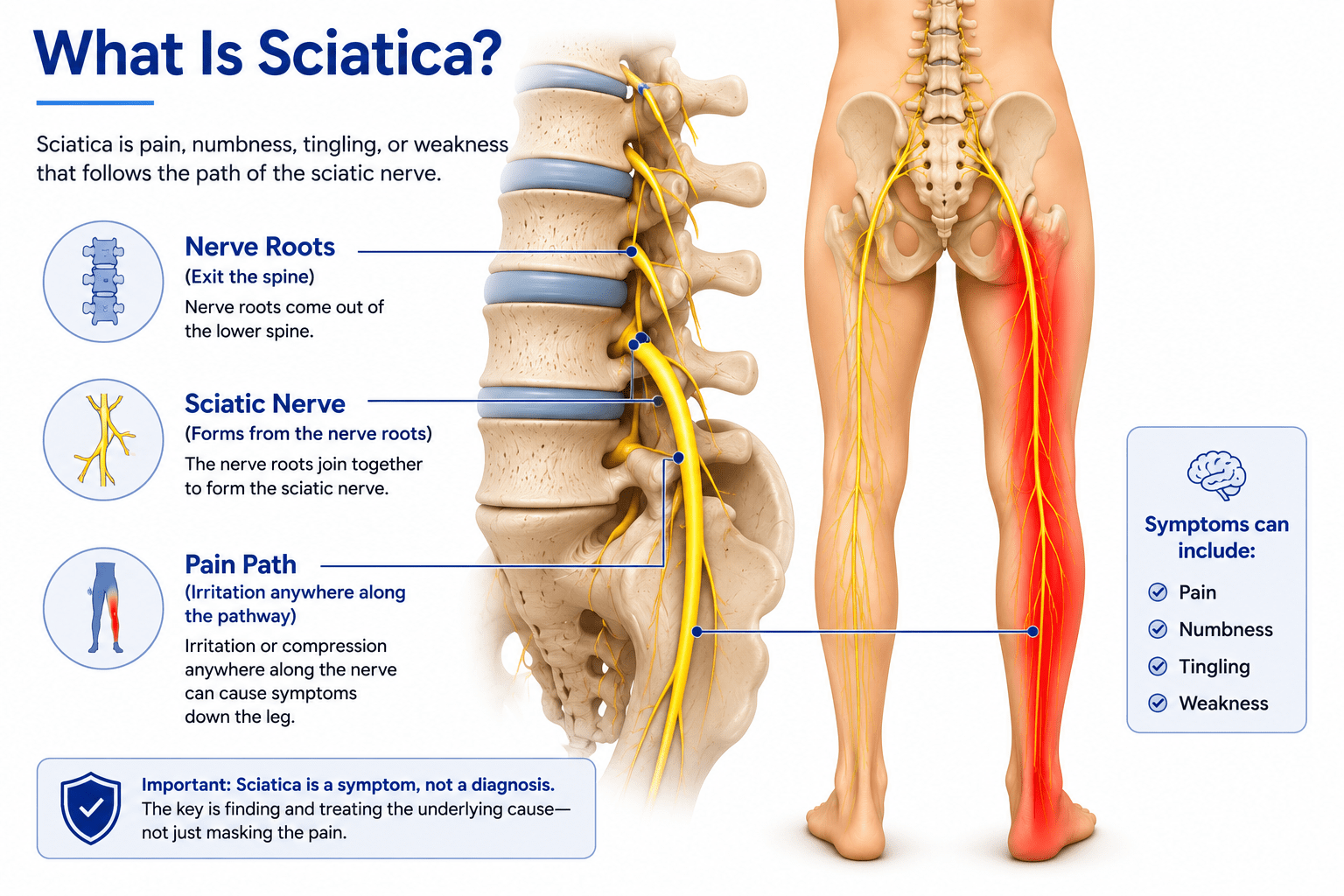
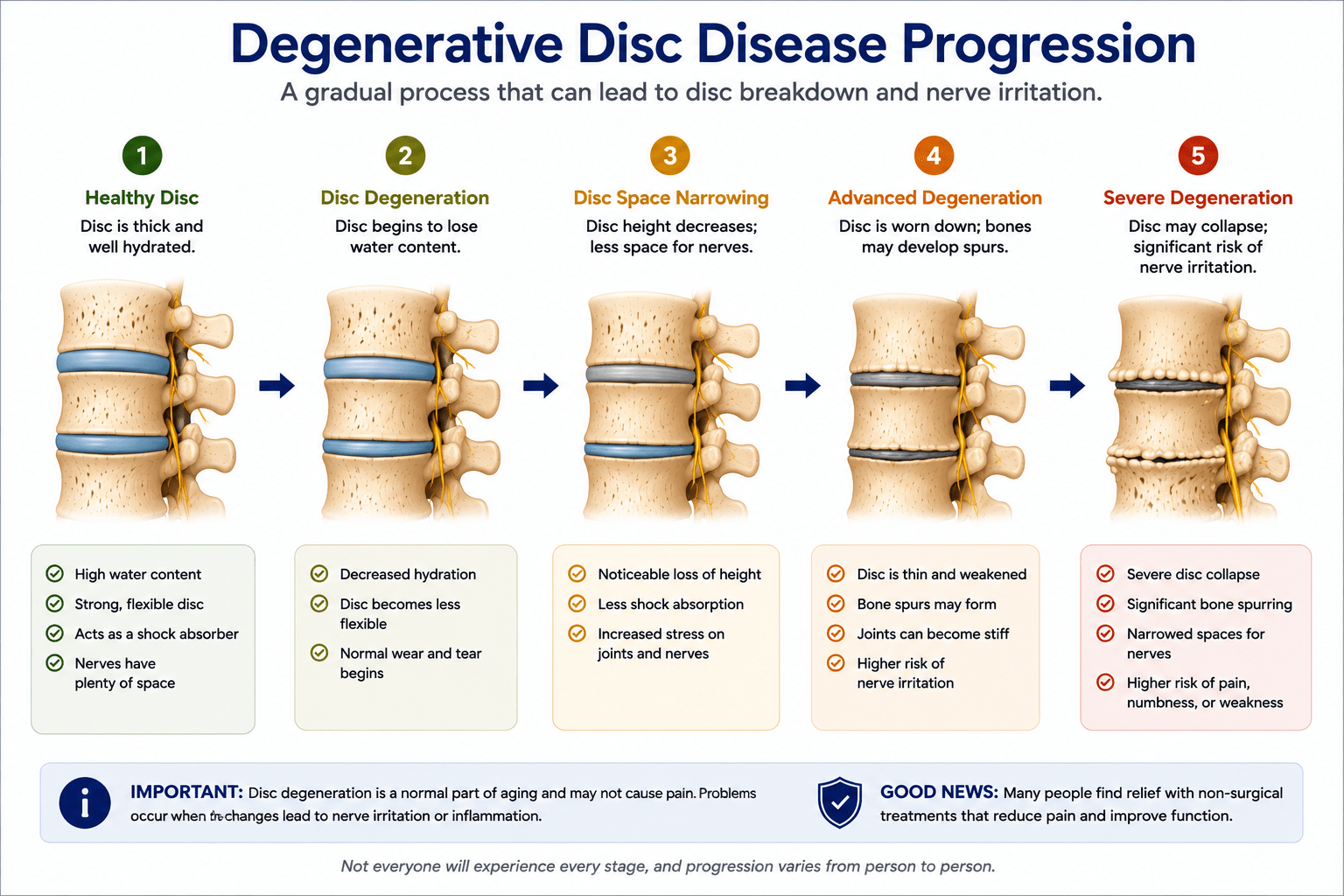
Sciatica occurs when the sciatic nerve becomes compressed — most commonly from a herniated or bulging disc in the lower spine.
According to Mayo Clinic, this pressure can cause pain, numbness, tingling, or weakness that travels from the lower back down the leg.
But here’s what most people are never told:
👉 Sciatica is not just inflammation
👉 It’s a mechanical pressure problem inside the disc
Sciatica is nerve pain caused by irritation or compression of one or more lumbar nerve roots that form the sciatic nerve. The sciatic nerve runs from the lower back through the buttock and down each leg. When compressed, it can cause radiating pain, numbness, tingling, or weakness along that pathway.
Sciatica is not a condition itself — it is a symptom of an underlying spinal issue.
If you’ve already tried physical therapy, medications, or injections and your pain keeps coming back — you’re not alone.
Sciatica often improves temporarily — then returns.
Many treatments focus on reducing inflammation or calming symptoms…
👉 but do not reduce the underlying pressure on the nerve.
As long as that pressure remains, irritation can continue — especially with sitting, driving, or activity.
This is why many people feel better for a short time — only to have the pain come back again.
Sciatica symptoms typically affect one side of the body and may include:
The severity can range from mild irritation to debilitating discomfort.
Understanding the underlying cause is critical. Treatment depends on why the nerve is irritated.
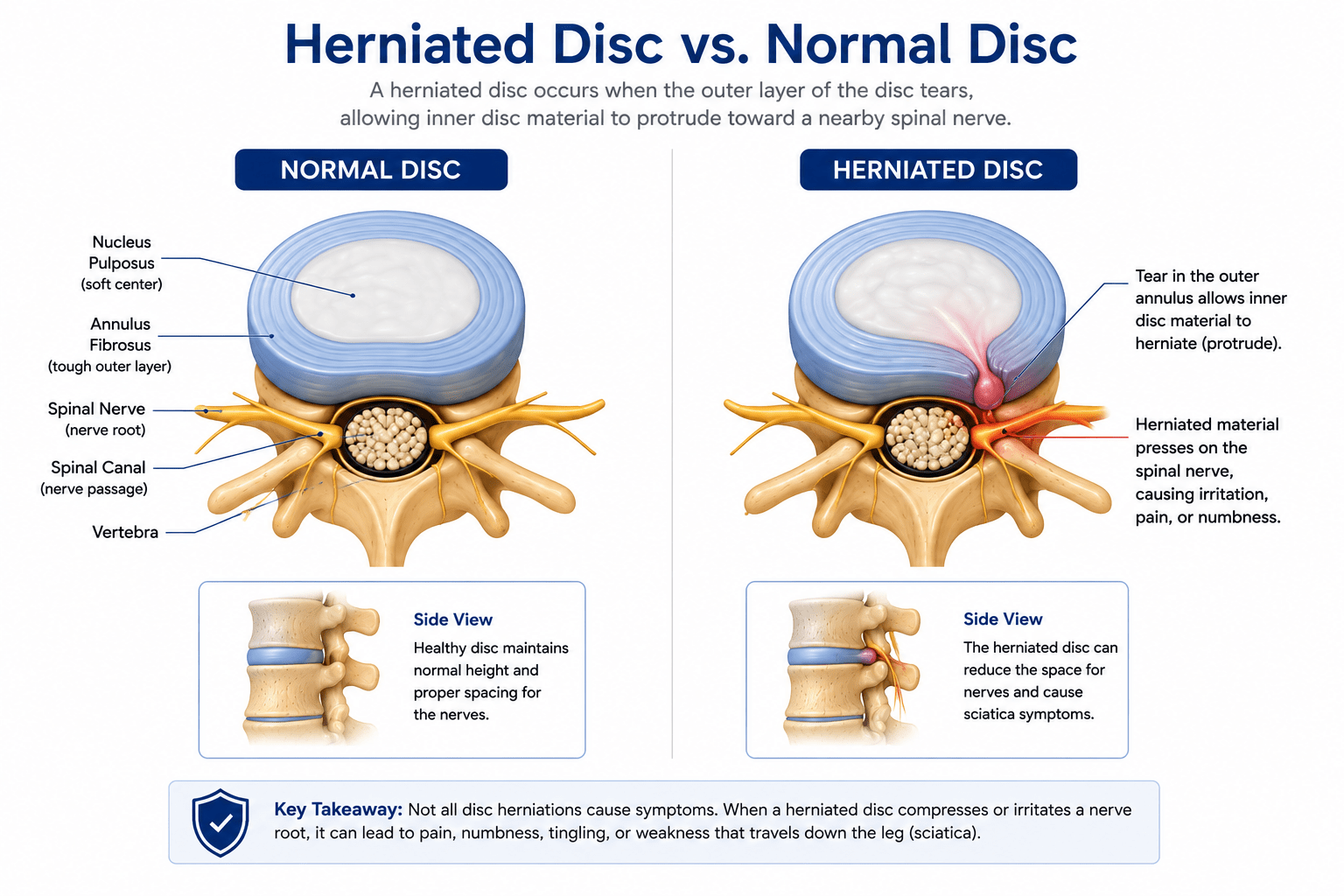
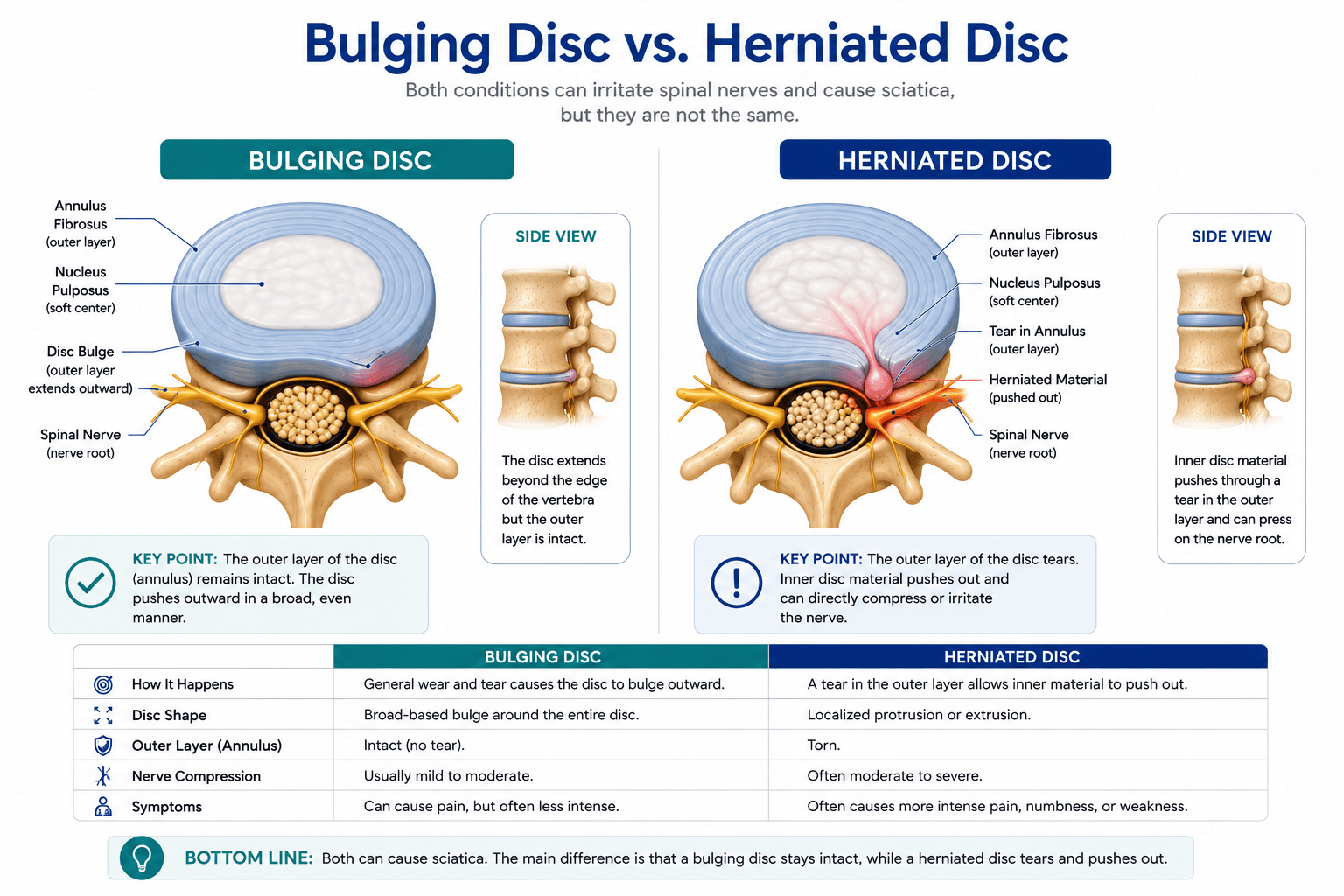
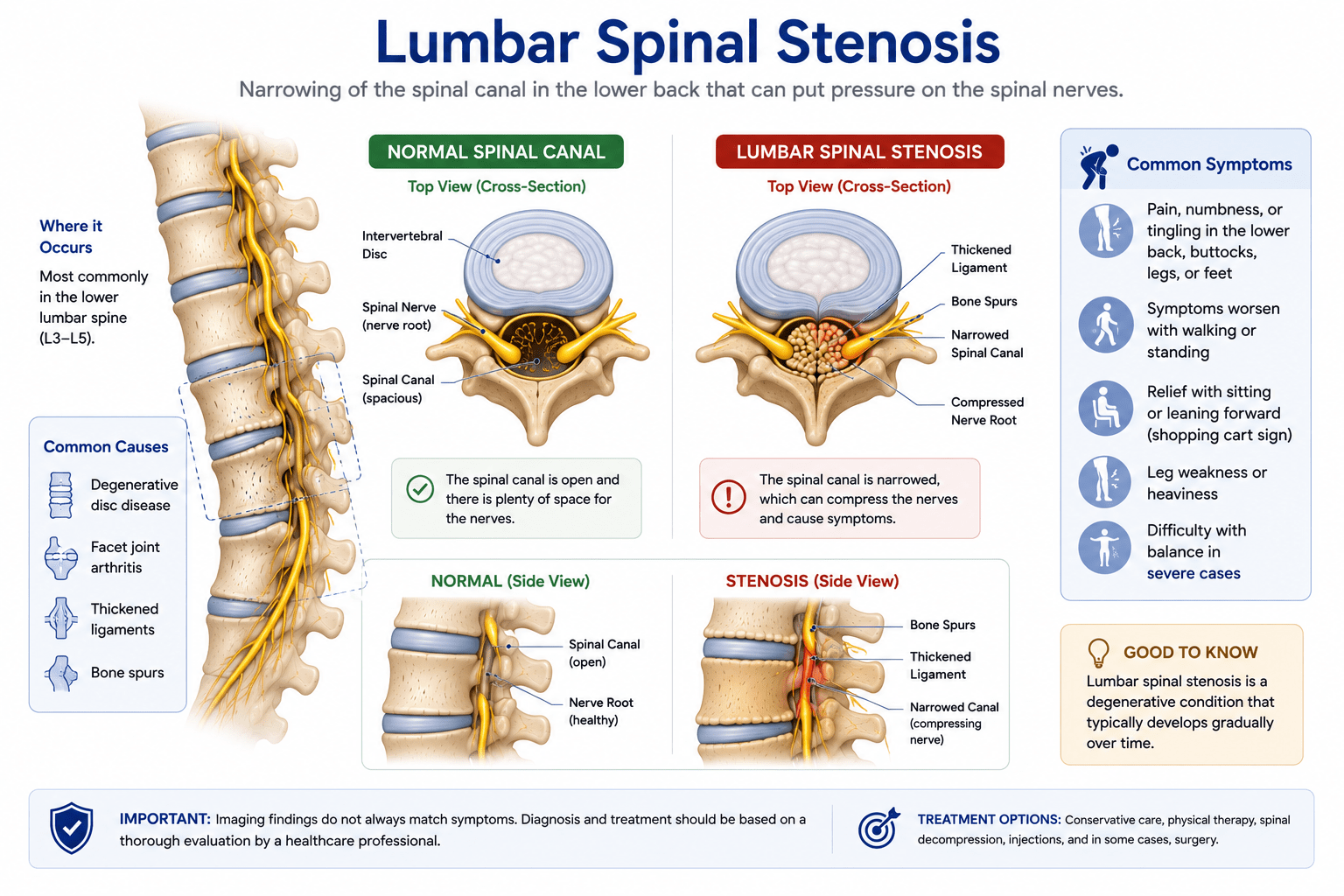
Many patients we see have already tried physical therapy, medications, or injections — but still have persistent nerve pain.
Many treatments focus on:
Reducing inflammation
Loosening muscles
Masking pain
But they often don’t remove the pressure on the nerve
According to WebMD, symptoms may improve — but the underlying issue can remain.
That’s why sciatica keeps coming back.
Sitting increases pressure inside lumbar discs. If a disc is already bulging or herniated, this added pressure can further irritate nearby nerve roots. Sitting can increase disc pressure by up to 40% compared to standing.
Many patients report:
This pattern often points toward disc involvement rather than muscular strain.
Most cases improve with proper conservative care. However, urgent evaluation is needed if you experience:
These symptoms may indicate significant nerve compression and require immediate medical attention.
Some mild cases improve with time, activity modification, and conservative care. However, untreated nerve compression can become chronic.
If symptoms persist beyond a few weeks, worsen, or interfere with daily life, a structured treatment plan is recommended.
Early intervention often leads to faster and more complete recovery.
Treatment should follow a logical progression:
At Frisco Spinal Rehab, we focus on conservative, non-invasive solutions first whenever appropriate.
Before You Consider Injections or Surgery
If your pain travels down your leg, keeps coming back, or hasn’t improved with other treatments…
👉 You may still have another option.
Every case begins with a thorough evaluation to determine the exact source of nerve irritation.
Your personalized plan may include:
Gentle, targeted adjustments improve spinal motion and reduce joint stress contributing to nerve irritation.
Corrective Exercises
Specific exercises help stabilize the spine and improve muscular support.
Soft Tissue Therapy
Massage and myofascial techniques reduce muscle tension surrounding the sciatic nerve.
DRX9000 Spinal Decompression for Disc-Related Sciatica
The Missing Piece — Relieving Pressure Inside the Disc
At Frisco Spinal Rehab, we focus on what actually causes sciatica:
Excess pressure inside the spinal disc
The DRX9000 True Spinal Decompression system is designed to:
Create negative pressure inside the disc
Help retract bulging or herniated material
Improve disc hydration and nutrient flow
Reduce pressure on the sciatic nerve
For patients with disc-related sciatica, spinal decompression therapy can be highly effective.
The DRX9000 gently stretches the spine in a controlled, computerized manner. This creates negative pressure inside the disc, which may help:
This is what makes it fundamentally different from:
Basic traction
Physical therapy alone
Medications or injections
Unlike generic traction, decompression therapy is precise and designed to target specific spinal levels. Many patients seek this option to avoid injections or surgery.
Our goal is simple: reduce nerve pressure, restore mobility, and help you return to normal life safely.
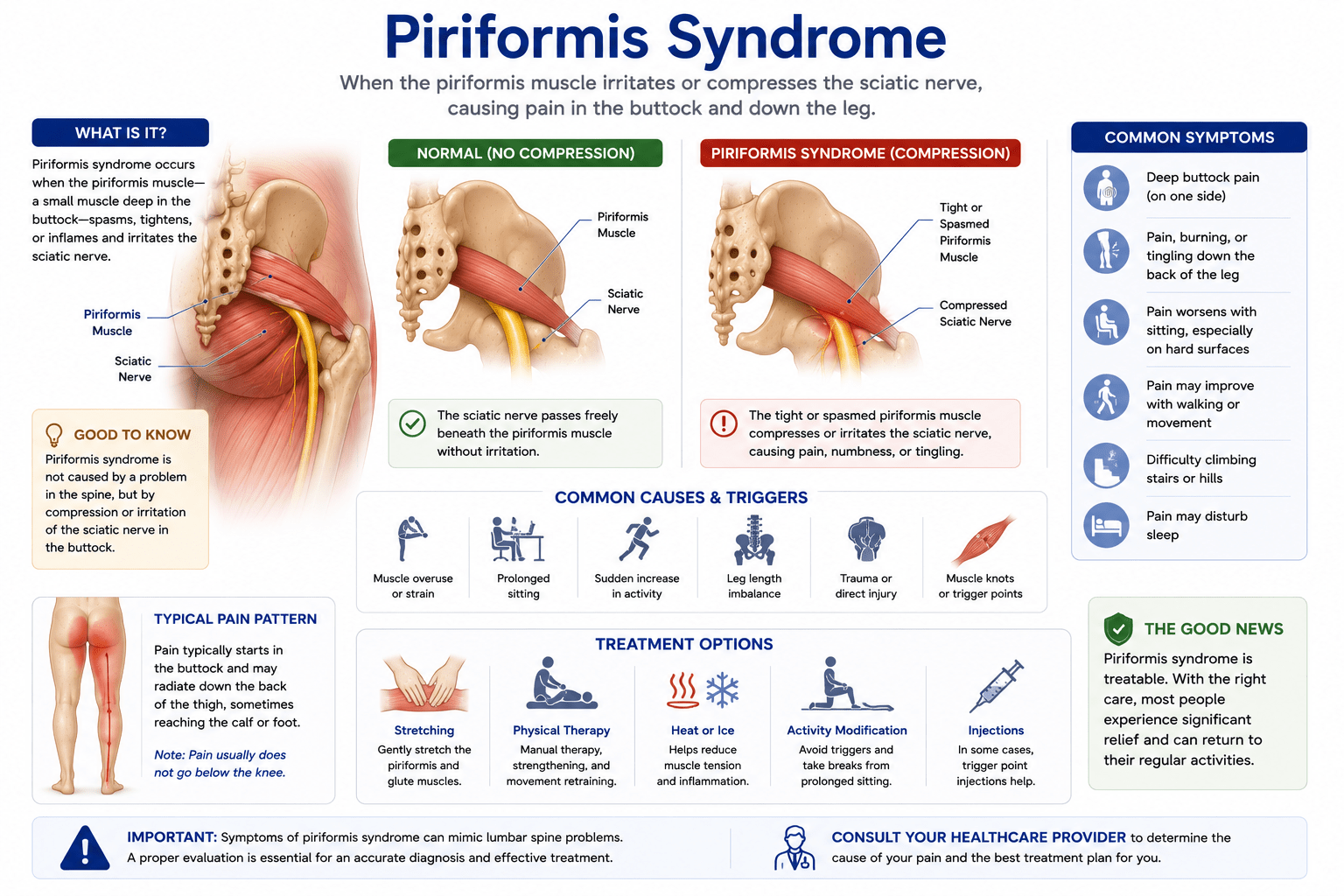
Sometimes sciatica can be caused by a tight or inflamed piriformis muscle pressing on the sciatic nerve — this is called piriformis syndrome. These cases are not very common, but if that’s the source of your pain, it’s usually an easier problem to correct with targeted therapy and stretching.
Most cases of sciatica come from a herniated or bulging disc in the lower back pressing on a nerve root. Other causes can include spinal stenosis, degenerative disc disease, or injury. A thorough exam helps determine the true source of nerve irritation.
Sciatica typically causes pain that starts in the lower back or buttock and radiates down one leg, sometimes with numbness, tingling, or weakness. True sciatica usually follows the path of the sciatic nerve. An evaluation by a chiropractor or doctor can confirm the diagnosis.
Some mild cases may improve with time, rest, and home care. However, untreated sciatica can worsen or become chronic. Early treatment often provides faster relief and reduces the chance of long-term nerve damage.
Nonsurgical treatments include spinal decompression, chiropractic adjustments, targeted exercises, massage therapy, and lifestyle modifications. These approaches aim to relieve pressure on the nerve and restore function naturally.
Frisco Spinal Rehab specializes in advanced sciatica care, including DRX9000 spinal decompression and chiropractic therapies. Patients from Prosper, Plano, McKinney, Little Elm, Allen and surrounding areas visit us for non-surgical relief options.
It depends on the underlying cause. Mild cases may resolve within weeks, while disc-related sciatica can persist without proper treatment.
In many cases, gentle walking promotes circulation and reduces stiffness. However, severe nerve compression may limit tolerance.
MRI can reveal disc herniations, stenosis, or other structural causes. However, imaging findings must match clinical symptoms.
L4-L5 and L5-S1 are the most common levels associated with sciatic nerve symptoms.
Yes. Depending on the nerve root involved, numbness may extend into the calf, foot, or toes.
Yes. Fluctuating disc pressure and inflammation can cause intermittent symptoms.
If you’re searching for long-lasting sciatica relief in Frisco or nearby communities, we invite you to schedule a consultation.
The sooner nerve irritation is addressed, the better the outcome tends to be.
You don’t have to live with radiating leg pain.
Let’s identify the cause and build a plan to help you move freely again.
Disclaimer:
The information on this page is for educational purposes only and is not intended to replace professional medical evaluation, diagnosis, or treatment. Sciatica can be caused by a variety of underlying conditions, including herniated discs, spinal stenosis, or other nerve-related issues. Because every case is different, the details here should not be considered a personalized treatment plan. Always consult a qualified healthcare provider for an accurate diagnosis and appropriate care. If you are experiencing severe or worsening pain, weakness, numbness, or loss of bladder/bowel control, seek immediate medical attention.


