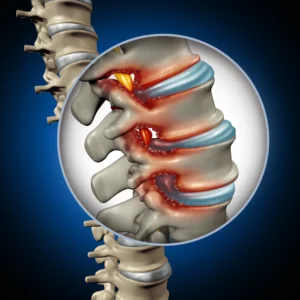
Sharp lower back pain that hits when you move, bend, twist, or reach can be one of the most unsettling types of back discomfort. Many people describe it as a sudden, catching pain that makes them stop in their tracks.
It might happen when:
Bending forward to pick something up
Standing up after sitting
Turning in bed
Getting out of a car
Reaching for something
One moment you’re moving normally, and the next, your lower back feels tight, painful, or stuck.
Searches like “sharp lower back pain when bending,” “back pain when moving,” or “back pain when I twist” are extremely common because this type of pain often appears without much warning.
The lower back is designed to move, bend, and support your body weight. But when something in the area becomes irritated, certain movements can put pressure on sensitive tissues and trigger pain.
That’s why some people feel fine while resting but experience sharp discomfort the moment they start moving.
One of the most common reasons for sharp pain when bending or twisting is muscle strain. When muscles are tight, fatigued, or overworked, movement can pull on them in a way that causes sudden discomfort.
This may feel like:
A pulling sensation
Tightness that catches when you move
Pain that improves when you stay still
This type of pain is often related to physical strain, posture habits, or repetitive motion.
When the body senses irritation in the lower back, surrounding muscles often tighten to protect the area. This protective response can make movement feel restricted and uncomfortable.
People often notice:
Pain when trying to bend forward
Tightness when standing up
A feeling like the back doesn’t want to move
Even small movements can trigger sharp discomfort if muscles are guarding the area.
The joints in the lower back help guide movement and keep the spine stable. If one becomes irritated, certain motions can trigger a sharp, pinpoint pain.
This may feel like:
A sudden catch when bending
Pain when twisting
Stiffness after sitting
Discomfort when standing up straight
Joint irritation can develop gradually from repeated strain or posture-related stress.
The discs in the lower back absorb pressure during movement. Bending, lifting, and twisting all increase pressure in this area. If a disc becomes irritated or inflamed, certain motions can make symptoms more noticeable.
People sometimes describe:
Sharp pain when bending forward
A deep ache that worsens with movement
Stiffness that improves when lying down
Not all movement-related back pain involves a disc, but in some cases, disc pressure may contribute to the symptoms. Sometimes MRI findings like a bulging disc may show up when pressure inside the lower back increases during bending or lifting.
When something in the lower back is irritated, movement changes the pressure in the area. Even simple motions like bending or turning can shift how muscles, joints, and discs respond.
This can lead to:
Pain that only appears with certain movements
Tightness that limits flexibility
A feeling like the back is sensitive or unstable
Because the lower back supports so much daily activity, it can become reactive when under stress.
Many people experience an occasional flare-up that improves over time. But it may be worth paying closer attention if:
Sharp pain happens repeatedly with movement
Bending forward always triggers discomfort
Pain worsens with daily activities
Tightness never fully goes away
Symptoms are slowly getting worse
These patterns can suggest that the lower back is dealing with ongoing strain. For some people, conditions like spinal stenosis can make certain movements feel more uncomfortable over time.
Movement-related lower back pain often builds gradually. Factors that can contribute include:
Sitting for long periods
Poor posture
Repetitive bending or lifting
Tight hips and hamstrings
Muscle fatigue from daily activity
Over time, these stresses can make the lower back more sensitive to motion.
Sharp lower back pain when bending or moving can feel alarming, but it often reflects how the muscles and structures in the lower back are responding to strain.
In many cases, the cause is muscular or joint-related. In other situations, there may be deeper mechanical stress contributing to the sensitivity.
At Frisco Spinal Rehab, we often meet people who notice that certain movements consistently trigger pain. Sometimes the issue is related to tight muscles or posture strain. Other times, it may involve deeper stress within the lower back that hasn’t fully resolved.
Understanding what’s driving the pain can help guide the next step toward moving more comfortably and preventing repeated flare-ups. In some situations, non-surgical approaches like spinal decompression therapy may be considered when disc pressure is contributing to movement-related pain.
If sharp lower back pain keeps returning or limits your ability to bend, move, or stay active, a proper evaluation can help determine what’s driving the irritation.
At Frisco Spinal Rehab, we assess how the muscles, joints, and discs are functioning together so we can identify whether the issue is muscular strain, joint irritation, or deeper disc stress.
Early evaluation often prevents small flare-ups from turning into long-term problems.
Sharp lower back pain with movement is common and can be caused by muscle strain, joint irritation, muscle guarding, or increased pressure in the lower back. It often shows up during bending, twisting, or standing after sitting.
While occasional flare-ups can happen to anyone, pain that keeps returning with movement may be a sign that the lower back is under ongoing stress. Taking time to understand the cause can help you move more freely and reduce the chances of future episodes.
Why does my lower back hurt when I bend forward?
Bending forward increases pressure in the lower back. If muscles, joints, or discs are irritated, that movement can trigger sharp pain.
Is sharp lower back pain usually a muscle strain?
In many cases, yes. Muscle strain or muscle guarding is one of the most common causes of sudden sharp pain with movement.
When should I worry about lower back pain?
If pain is worsening, persistent, or accompanied by numbness, weakness, or leg symptoms, it’s important to have it evaluated.
Can a disc cause sharp pain when bending?
In some cases, increased disc pressure during bending can irritate nearby structures and contribute to sharp discomfort.


