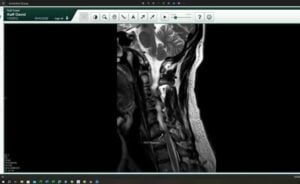
Seeing the words “spinal stenosis” on an MRI report can be unsettling, especially if you’ve been dealing with back or leg pain for a long time.
Many people immediately worry:
“Is my spine closing off?”
“Is this dangerous?”
“Is this why I can’t stand or walk as long anymore?”
The term sounds serious, and in some cases it can be. But just like herniated discs and degeneration, stenosis can mean different things depending on the person and the situation.
“Stenosis” simply means narrowing.
In the spine, this usually refers to narrowing of the spaces where nerves travel. This can happen gradually over time due to:
Bone growth
Thickening of nearby tissues
This narrowing can sometimes place pressure on nerves, which may lead to symptoms.
When stenosis starts affecting nearby nerves, people may experience:
Leg pain when standing or walking
Relief when sitting or bending forward
Heaviness in the legs
Tingling or numbness
Some people say:
“I can’t stand very long.”
“Walking makes my legs ache.”
“I feel better when I sit down.”
This pattern is very common with narrowing in the lower back.
This is one of the biggest questions people have.
The truth is, stenosis can range from:
Mild
Moderate
More advanced
And many people have some degree of narrowing on MRI without major symptoms.
What matters most is:
How much it affects daily life
How long symptoms have been present
Whether function is changing
The word itself doesn’t automatically mean surgery is required.
Stenosis usually doesn’t happen overnight. It tends to develop gradually over years as the spine adapts to daily wear and tear.
Because of this, symptoms may:
Start mild
Slowly increase over time
Come and go in cycles
Some people notice that they can walk shorter distances than they used to. Others find standing in one place becomes more difficult.
A common pattern with spinal stenosis is:
Standing increases discomfort
Walking makes symptoms build
Sitting brings relief
This happens because certain positions can change the space around the nerves. When pressure is reduced, symptoms may ease.
People often lean forward on a shopping cart or counter for relief without realizing why.
This is one of the biggest fears people have when they see the term on an MRI.
Surgery is sometimes recommended in more severe situations, especially if there are signs like:
Progressive weakness
Major changes in walking ability
Loss of certain nerve functions
But many people fall into a different category where symptoms are uncomfortable but not urgent.
In those cases, the decision becomes more about quality of life than emergency need.
People with stenosis often notice flare-ups connected to:
Long periods of standing
Walking long distances
Physical activity
Travel
Symptoms may calm down for a while and then return later. This pattern can feel unpredictable and frustrating.
Many people first learn they have stenosis after:
Years of recurring back pain
Leg pain that builds with standing
Treatments that didn’t create lasting relief
At that point, they’re often trying to understand what the diagnosis really means for their future.
At Frisco Spinal Rehab, we meet many patients who were told they have spinal stenosis and immediately assumed surgery was inevitable. In many cases, they were still able to function and were simply trying to understand why certain positions or activities triggered symptoms.
Spinal stenosis means narrowing in areas where nerves travel through the spine. It’s a common finding, especially as people get older, and it can range from mild to more significant.
While surgery is sometimes necessary in more serious cases, many people live with stenosis for years and manage symptoms in different ways. The most important factors are how symptoms affect your daily life and whether they are changing over time.
Understanding what stenosis means — and what it doesn’t automatically mean — can help take some of the fear out of seeing it on an MRI report.


