One of the most stressful moments in a back pain journey is when the word “surgery” starts coming up.
It may come after:
Months or years of ongoing pain
Physical therapy that didn’t last
Patients often say things like:
“My doctor mentioned surgery.”
“They said I might be a candidate.”
“I’m trying to avoid surgery if I can.”
“I don’t know if I’m at that point yet.”
Searches like “Do I need back surgery?” and “Is surgery the only option for a herniated disc?” are extremely common because this decision feels big, permanent, and sometimes overwhelming.
Understanding when surgery is truly necessary — and when it might not be — can help people feel more confident about the next step.
There are situations where surgery can be the right and necessary option. These may include cases where there is:
Severe, progressive weakness
Loss of bowel or bladder control
Significant nerve damage
Structural instability
Pain that is truly unmanageable
In those situations, surgery may be important to protect nerve function and overall health.
But many people who hear the word “surgery” are not in that category.
Surgery is often discussed when:
Pain has lasted a long time
Conservative care hasn’t created lasting relief
Imaging shows disc issues, stenosis, or degeneration
Leg pain and nerve symptoms continue
From a medical standpoint, it’s one of the next options to consider.
But that doesn’t always mean it’s the only option.
Even when surgery is mentioned, most patients hesitate. Common thoughts include:
“What if it doesn’t work?”
“What’s the recovery like?”
“Will I be the same afterward?”
“Is there anything else I should try first?”
These are very normal questions.
Back surgery is a serious decision, and it makes sense to want to fully understand all options.
Many people begin exploring other possibilities when:
Pain is bad, but not unbearable
They can still function, just not comfortably
They want to avoid downtime and recovery
They’re not ready for something permanent
In these situations, people often start asking:
“Is there anything else I can try first?”
“Am I really at the surgery stage yet?”
There’s a big difference between:
A true emergency
And a quality-of-life decision
Emergency situations require fast action. But many back surgery discussions happen in non-emergency situations, where patients have time to learn, ask questions, and consider options.
That space allows for more thoughtful decision-making.
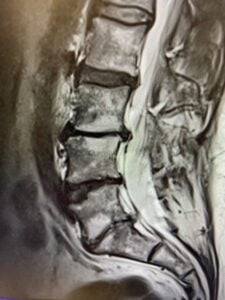
MRIs can show:
Herniated discs
Bulging discs
Degeneration
Stenosis
But many people have these findings and function relatively well. Others have severe pain with more modest findings.
This is why the decision for surgery is usually based on:
Symptoms
Function
Quality of life
Response to other care
Not just what appears on a scan.
It’s very common for patients to take time to think after surgery is mentioned.
They may want to:
Gather more information
Understand all options
Talk to family
See if anything else might help first
This isn’t hesitation — it’s thoughtful decision-making.
At Frisco Spinal Rehab, we often meet people who have been told surgery is a possibility, but they’re not sure they’re ready for that step. Many are still functioning, still working, and still managing day-to-day life — just not comfortably.
In many of these cases, people are simply trying to understand whether surgery is truly necessary right now, or whether there may be other paths to explore before making that decision.
Every situation is different, and the right choice depends on the individual, their symptoms, and their goals.
Being told you might need back surgery can feel overwhelming, but it doesn’t always mean it’s the only option or the next immediate step. In true emergency situations, surgery may be essential. In other cases, it may be one of several possibilities to consider.
Taking time to understand the full picture, ask questions, and explore your options can help you feel more confident about whatever decision you make moving forward.