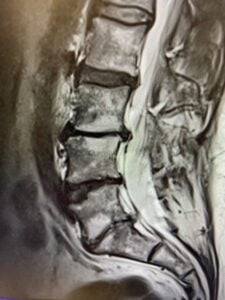
When patients review their MRI report, one phrase that often causes immediate concern is:
“Multiple levels involved.”
They may see findings listed like:
L3-L4 disc bulge
L4-L5 herniation
L5-S1 degeneration
And the reaction is almost always the same:
“My whole spine is messed up.”
“This looks really bad.”
“Does this mean I need surgery?”
“Is it worse because it’s more than one level?”
It can feel overwhelming to see several areas mentioned at once, especially if you’re already in pain.
But having findings at multiple levels doesn’t automatically mean something severe or dangerous is happening.
The spine is made up of many segments stacked on top of each other. Each segment includes:
A disc
Joints
Nerves
Supporting structures
When an MRI report mentions multiple levels, it simply means that more than one of those segments shows some type of change.
These changes might include:
Disc bulges
This is actually very common, especially as people get older.
Seeing several findings listed together can make it feel like everything is going wrong at once.
But the important thing to understand is:
Not every level listed is always causing symptoms.
For example:
One level might be responsible for most of the pain
Another might just show mild age-related changes
A third might not be causing any symptoms at all
MRIs are very detailed, and they often pick up things that may not be clinically significant.
The spine handles daily stress for decades:
Sitting
Lifting
Bending
Working
Driving
Over time, it’s normal for more than one disc to show signs of wear and tear. That doesn’t mean they all became injured at once.
It usually reflects gradual changes over many years.
One of the most confusing things for patients is that MRI findings don’t always line up perfectly with how they feel.
You might have:
Several levels listed
But pain in only one spot
Or symptoms down just one leg
That’s because certain levels may affect specific nerves, while others may simply show changes that aren’t causing problems right now.
Seeing multiple levels mentioned often happens after:
Years of recurring back pain
Failed physical therapy
At that point, people are already worried, so seeing a long MRI report can increase that anxiety.
It can feel like the situation is worse than it actually is.
This is one of the biggest fears people have.
The truth is, the number of levels listed doesn’t automatically determine whether surgery is needed.
Decisions are usually based more on:
Symptoms
Function
Nerve involvement
Quality of life
Not just how many findings appear on the scan.
Many people with multiple disc changes continue to function and manage symptoms for years.
Even if several levels show changes, people often notice:
Pain in one main spot
Symptoms down one leg
Flare-ups triggered by certain movements
This happens because one area may be more sensitive or more involved than the others.
The rest may simply be background changes.
At Frisco Spinal Rehab, we often meet patients who are alarmed after reading that multiple levels are involved in their MRI. It can make the spine feel fragile or severely damaged.
In many cases, the report is simply describing age-related changes across more than one segment. Understanding which level is most related to the symptoms is usually more important than the number of findings listed.
That clarity can help reduce fear and make the situation feel more manageable.
Seeing multiple levels mentioned on an MRI can sound intimidating, but it doesn’t always mean something severe is happening. It often reflects normal wear and tear across different parts of the spine over time.
The most important factor is how your symptoms line up with what’s seen on imaging. Even when several levels are listed, one area is often responsible for most of the discomfort. Understanding that can help bring a clearer, calmer perspective to what the report actually means.


