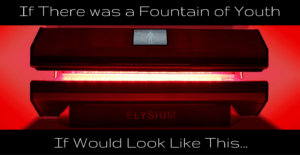
If you’ve been searching “red light therapy near me”, you’re probably trying to solve one of a few common problems: stubborn pain, slow recovery, inflammation, sleep issues, skin concerns, or just wanting better wellness and performance.
Red light therapy—also called photobiomodulation (PBM)—uses specific wavelengths of red and near-infrared light aimed at the body to support cellular energy and recovery. In plain English: it’s a non-invasive therapy that many people use to feel better, move better, and recover faster.
This guide will help you answer the big questions quickly:
What is red light therapy?
What does it help with?
How much does it cost?
How many sessions do you need?
Where can you get it in Frisco, TX?
How do you choose a legit clinic vs a “light show”?
Important note: Red light therapy is a wellness and supportive-care tool. It’s not a substitute for medical care, diagnosis, or treatment. If you have a serious condition, see your physician.
Red light therapy uses LED devices that emit red and near-infrared light. When that light reaches your tissues, it can support normal cellular processes involved in recovery and inflammation modulation.
You’ll see it used in:
Sports/performance settings
Physical medicine and rehab clinics
Wellness/anti-aging centers
Dermatology/esthetic clinics
Most people either do:
Full-body red light therapy (stand-up booth or bed)
Targeted red light therapy (panel or spot treatment for a joint, back, neck, etc.)
People search “red light therapy near me” most often for these goals:
Many patients use PBM as part of a plan for:
Joint aches (knee/shoulder/hip)
General stiffness after workouts or long days at a desk
Athletes and weekend warriors commonly use it for:
Post-workout soreness
Faster recovery between training days
General tissue recovery support
PBM is often used for inflammation modulation and “calming things down,” especially when combined with:
Mobility work
Strength rehab
Smart training load management
Some clinics use red light for:
Skin appearance support
Tone/texture goals
Wellness/“glow” routines
The best results tend to happen when red light therapy is used as part of a broader plan (movement, rehab, sleep, nutrition, stress management).
Here’s the honest answer:
For many people, yes, it can be helpful—especially for recovery and pain support.
But results depend heavily on:
Device quality (wavelengths + power output)
Proper dosing (time, frequency)
Consistency over weeks, not days
Whether the real root cause is being addressed (mobility, strength deficits, tissue overload, sleep, etc.)
If you do 1–2 sessions and stop, most people won’t notice much. If you do a real plan (example below), results are more common.
Most clinics see patterns like this:
6–12 sessions over 3–6 weeks
Often 2–3 sessions/week to start
1 session/week or 2–4 sessions/month, depending on goals
After 1–3 sessions: subtle changes (sleep, soreness, “looser” feeling)
After 4–8 sessions: more noticeable recovery and comfort
After 8–12 sessions: best chance of consistent improvements
Everyone is different. The key is consistency and dosing.
Best for:
General wellness
Whole-body recovery
Broad inflammation support
People who want an “easy button” routine
Best for:
A specific area (low back, neck, shoulder, knee)
People combining PBM with rehab/chiro/massage/stretch
In many cases, full-body + targeted is ideal—full-body for systemic recovery, targeted for the exact problem area.
Pricing varies widely by location and device type, but here’s a realistic range:
$50 to $125 per session (common range)
Full-body beds/booths often cost more than small panels
6-pack / 10-pack / monthly membership options often reduce per-session cost
Full-body vs targeted
Device quality and power output
Add-on services (massage, stretching, rehab, etc.)
Whether it’s a medical clinic vs spa
Pro tip: If you see “too cheap to be true,” it often means low-power devices or minimal dosing protocols.
When you search “red light therapy near me,” you’ll usually find options like:
Often offer full-body PBM and recovery packages.
Often integrate red light therapy with:
Rehab exercises
Manual therapy
Stretch therapy
May focus more on:
Skin-related use
Beauty/wellness routines
Sometimes have red light as an add-on recovery service.
If you want real results, here’s what matters most:
Not all red light therapy is equal. You want medical-grade or strong commercial-grade devices with established wavelengths.
A panel pointed at your arm for 8 minutes is not the same as full-body therapy.
A legitimate clinic should have a plan for:
time per session
frequency per week
total sessions recommended
If your real issue is poor sleep, inflammation, or chronic overload, the best clinics will help you build a plan—not just sell a session.
Be cautious if you see guaranteed promises or wild “cure” language. Red light therapy can be supportive, but honest providers don’t oversell.
Here’s a practical plan that works for many people:
2–3 sessions per week
Track:
sleep
soreness/recovery
pain/stiffness score (0–10)
Continue 2 sessions/week
Add:
mobility routine 10 minutes/day
hydration and protein consistency
Shift to:
1–2 sessions/week maintenance
Reassess:
what improved
what still needs a different strategy
If you’re dealing with a specific pain problem, best results usually come from PBM + a targeted rehab plan.
Red light therapy is generally well-tolerated, but you should be cautious and ask your provider if you:
have light sensitivity conditions
are taking photosensitizing medications
have active cancer or are under oncology treatment (get medical guidance)
are pregnant (ask your OB)
have an implanted device and concerns (ask your physician)
Also: protect your eyes if the device is bright and close-range.
At Frisco Spinal Rehab, we use red light therapy as part of a bigger recovery and pain-support approach—especially for patients who want a non-invasive option that fits alongside:
rehab and strengthening
manual therapy
stretching/massage
decompression protocols when appropriate
If you want results, the key is matching the right tool to the right goal—and using a consistent plan.
Learn more about our full red light therapy options in Frisco, TX.
You can get red light therapy at wellness centers, chiropractic/rehab clinics, med spas, and some gyms in Frisco. Choose a provider with a clear dosing plan and quality equipment.
Typical pricing ranges from $50-$125 per session, depending on whether it’s full-body or targeted and whether you buy a package or membership.
Most people start with 6–12 sessions over 3–6 weeks, then move to maintenance (weekly or a few times per month).
Full-body is great for general recovery and wellness; targeted treatment is better for a specific area (like low back, neck, or knee). Many people benefit from doing both.
Many people report improved recovery and pain support, especially when sessions are consistent and the device is strong enough. Results vary and are best when combined with a full care plan.
It’s generally well tolerated, but people with photosensitivity, certain medications, pregnancy, or active cancer care should consult their medical provider first.
Some devices are FDA-cleared for specific indications. Your clinic can tell you what device they use and what it is cleared for. Avoid any provider claiming it “cures” disease.


