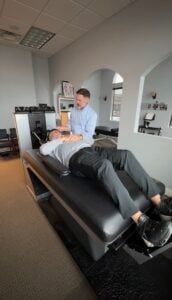
After being told they have spinal stenosis, one of the biggest questions people have is:
“Will this keep getting worse?”
“Can it improve on its own?”
“Is surgery inevitable?”
“Am I just going to lose mobility over time?”
The word stenosis means narrowing, and when people hear that, they often picture something closing in permanently with no way to stop it.
But the reality is more nuanced than that.
Spinal stenosis refers to narrowing in the spaces where nerves travel through the spine. This narrowing can happen over time due to:
Disc changes
Bone growth
Thickened ligaments
General wear and tear
It usually develops gradually, not suddenly.
And just like other spine findings, the degree of narrowing doesn’t always match how severe the symptoms feel.
Yes — many people with spinal stenosis experience periods where symptoms improve.
This can happen when:
Inflammation settles down
Movement patterns change
Daily stress on the spine shifts
People often notice:
Good weeks and bad weeks
Flare-ups followed by calmer periods
Changes depending on activity levels
Improvement doesn’t always mean the narrowing disappears. It often means the body becomes less reactive to it.
Stenosis tends to behave in patterns.
Many people notice symptoms that are affected by:
Standing too long
Walking distances
Busy physical days
Long periods on their feet
A common pattern is:
Discomfort builds gradually
Rest or sitting helps
Symptoms settle down
This cycle can repeat for years.
One of the most recognizable patterns with spinal stenosis is:
Standing or walking increases discomfort
Sitting provides relief
Leaning forward feels better
This happens because certain positions can change the space around the nerves and reduce pressure.
That’s why some people feel more comfortable leaning on a shopping cart or counter.
Not always.
Many people assume that once stenosis starts, it will steadily progress year after year. But in reality:
Some cases progress slowly
Some stabilize
Some remain manageable for long periods
Symptoms often depend more on daily strain, posture, and activity than on constant structural change.
In some cases, people notice:
Standing tolerance decreases
Walking distances shorten
Leg fatigue builds faster
This can happen when the nerves become more sensitive over time or when the lower back continues to handle daily stress.
But this progression can be gradual and varies widely from person to person.
Surgery may be discussed in situations where symptoms begin to significantly affect function, especially if there are signs like:
Increasing weakness
Trouble walking even short distances
Major changes in nerve function
But many people live with spinal stenosis for years while managing symptoms and staying active.
Many people have spinal stenosis on imaging and function quite well.
Others have more noticeable symptoms even with moderate narrowing.
That’s because symptoms depend on:
Nerve sensitivity
Pressure changes with movement
How the spine handles daily activity
The MRI shows structure, but how you feel depends on how your body is responding to it.
Many people discover they have spinal stenosis after:
Years of recurring back pain
Leg discomfort that builds with standing
Treatments that didn’t bring lasting relief
At that point, they’re often trying to understand whether their condition will continue to worsen or if it can be managed over time.
At Frisco Spinal Rehab, we often meet people who were told they have stenosis and immediately assumed it would only get worse. In many cases, the symptoms were more related to how the nerves were reacting to pressure than a rapid structural decline.
Spinal stenosis can sound alarming, but it doesn’t always mean symptoms will steadily worsen. Many people experience periods of improvement, and symptoms can fluctuate depending on activity, posture, and daily stress on the spine.
While surgery is sometimes necessary in more serious cases, many people live with stenosis for years and continue to function. Understanding how your symptoms behave — and what makes them better or worse — can help you feel more confident about what the future may look like.


