Back pain rarely has a single cause—and it rarely improves with a single treatment.
A damaged spinal disc may be creating pressure on a nerve. Tight muscles can change the way your spine moves. Inflammation may increase pain, while poor posture and years of repetitive stress continue to aggravate the problem. Treating only one piece of the puzzle often leads to temporary relief instead of lasting improvement.
At Frisco Spinal Rehab, we’ve developed our Disc Recovery Protocol to address the many factors that contribute to chronic back pain. Rather than relying on one machine or one technique, we combine advanced spinal decompression technology with hands-on care, rehabilitation, and other therapies to help qualified patients recover naturally whenever possible.
Many people assume back pain comes from a “pulled muscle.”
In reality, chronic low back pain may involve:
Each of these problems affects the others.
For example, a compressed disc may irritate a nerve, causing muscles to tighten in an effort to protect the injured area. Those tight muscles then change spinal movement, creating additional stress on nearby joints and discs.
That’s why successful treatment often requires a comprehensive approach rather than a single procedure.
Every patient begins with a thorough consultation and examination to determine the true source of their symptoms.
From there, we create an individualized treatment plan that may include several complementary therapies.
Depending on your condition, your Disc Recovery Protocol may include:
Every treatment plan is customized. Not every patient needs every therapy.
Our goal is to combine the treatments most likely to support your recovery based on your diagnosis and clinical findings.
One of the most important components of our protocol is DRX9000 spinal decompression.
Unlike standard traction, the DRX9000 uses computerized technology to deliver precise, controlled decompression to the affected spinal segments.
For patients with disc-related conditions, this may help:
Many patients looking for DRX9000 decompression in Frisco are searching for a non-surgical option before considering injections or surgery.
Reducing pressure on the disc is only part of the recovery process.
Inflammation in surrounding muscles, ligaments, and soft tissues can continue contributing to discomfort even after decompression begins.
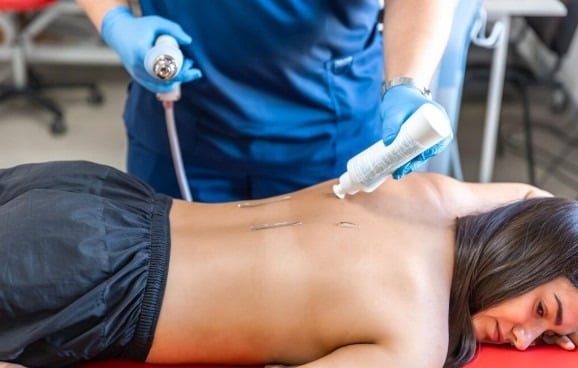
That’s why many treatment plans also incorporate our MLS robotic laser.
MLS laser therapy uses therapeutic light energy to support normal cellular activity and may help:
When appropriate, combining spinal decompression with MLS laser therapy allows us to address both mechanical stress and soft tissue recovery.
Technology doesn’t replace clinical experience.
Our doctors evaluate spinal motion, muscle tension, posture, flexibility, and movement patterns throughout your treatment.
Hands-on care may include:
These therapies help restore normal spinal mechanics while supporting the improvements achieved through decompression.
Pain relief is only part of the goal.
As symptoms improve, many patients transition into exercises designed to strengthen the muscles that support the spine.
Rehabilitation may focus on:
This stage of care helps reduce the likelihood of future flare-ups by improving the way your body moves during everyday activities.
Healing doesn’t stop when your appointment ends.
Daily habits can have a major impact on spinal health.
Patients often receive guidance on:
These recommendations help reinforce the progress made during in-office treatment.
Our comprehensive approach may be appropriate for patients experiencing:
Not every patient is a candidate for spinal decompression. Conditions such as fractures, infections, significant spinal instability, or certain surgical emergencies require different medical management.
A thorough evaluation helps determine the safest and most appropriate treatment plan.
For more than 25 years, Frisco Spinal Rehab has helped patients find conservative solutions for chronic spine conditions.
Our clinic combines advanced technology—including three DRX9000 spinal decompression systems, the MLS robotic laser, and other rehabilitation therapies—with experienced clinical evaluation and personalized treatment planning.
Rather than treating only the symptoms, we focus on identifying the underlying problem and creating a customized plan that supports long-term recovery.
Living with chronic back pain doesn’t mean surgery is your only option.
If you’re experiencing back pain, sciatica, or symptoms related to a damaged spinal disc, our team can determine whether our Disc Recovery Protocol is appropriate for your condition.
After a comprehensive evaluation, we’ll explain your diagnosis, discuss your treatment options, and develop a personalized plan designed to help you move better, feel better, and return to the activities you enjoy.
If you’re searching for DRX9000 decompression in Frisco or looking for a comprehensive, non-surgical approach to disc-related back pain, contact Frisco Spinal Rehab today to schedule your consultation.
Is DRX9000 the only treatment used in your Disc Recovery Protocol?
No. While DRX9000 spinal decompression is often a key component for qualifying disc-related conditions, treatment plans may also include MLS robotic laser therapy, hands-on chiropractic care, soft tissue therapy, rehabilitation exercises, and home care recommendations based on the patient’s diagnosis.
Why combine several treatments instead of using just one?
Back pain usually involves more than one factor, such as disc injury, inflammation, muscle imbalance, and reduced mobility. Addressing these issues together may provide more comprehensive and lasting improvement than relying on a single therapy.
How long does treatment usually take?
Every case is different. Your treatment plan depends on your diagnosis, the severity of your condition, how long you’ve had symptoms, and your response to care. After your evaluation, we’ll recommend a personalized plan.
Can this approach help me avoid surgery?
Many patients with disc-related back pain improve with conservative treatment and never require surgery. However, some conditions do require surgical evaluation. We’ll discuss whether you’re a candidate for non-surgical care after reviewing your examination and any available imaging.


